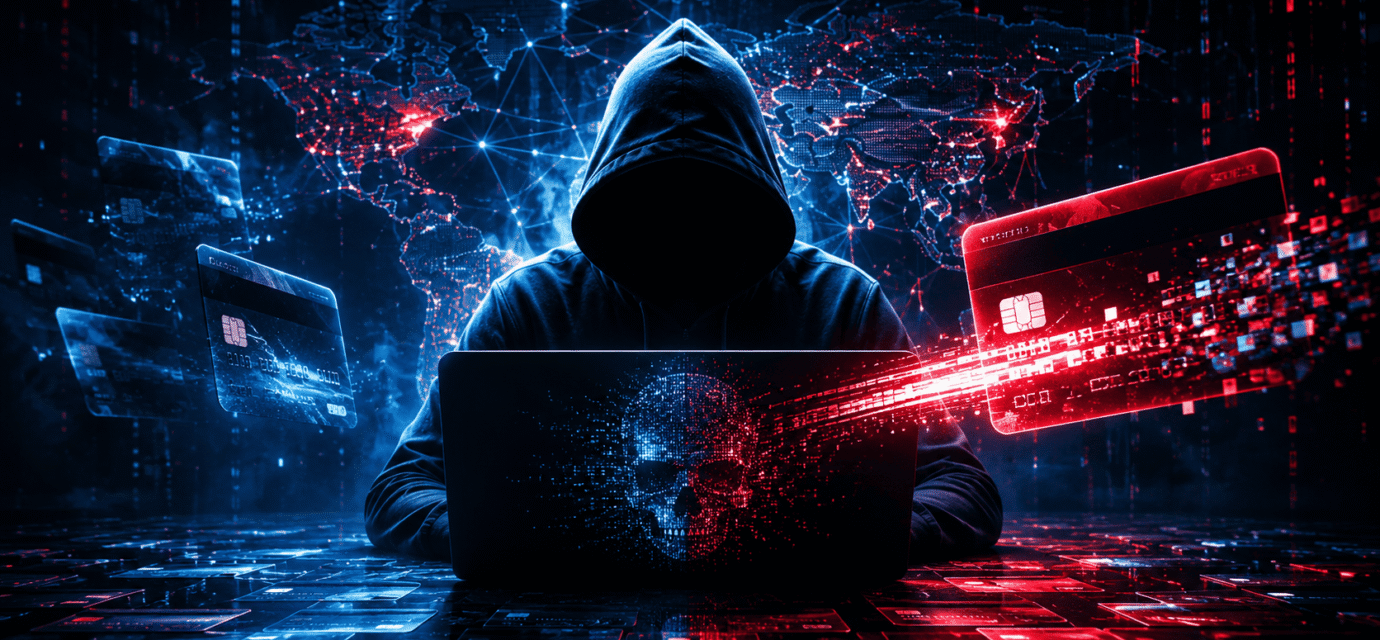
How Dark Web Hackers Steal Your Credit Card Information
Every day, millions of people use credit cards to shop online, pay bills, and make purchases both in stores and on the internet. While modern payment systems are more secure than ever, cybercriminals continue to find new ways to steal credit card information and sell it on the dark web.
Many victims never realize their card details have been compromised until they notice unauthorized transactions or receive fraud alerts from their bank. Understanding how hackers steal credit card information can help you recognize threats and better protect yourself from becoming a victim.
What Is the Dark Web?
The dark web is a hidden part of the internet that cannot be accessed through traditional search engines such as Google or Bing. Users typically need special software to access it.
Although the dark web has legitimate uses, it is also known for hosting underground marketplaces where cybercriminals buy and sell stolen data, including:
- Credit card numbers
- Banking credentials
- Email accounts
- Personal information
- Identity documents
Stolen credit card information is one of the most valuable products traded in these underground markets.
How Hackers Obtain Credit Card Information
Most hackers do not directly steal money from victims immediately. Instead, they first collect large amounts of card data through various methods before selling or using it.
Here are the most common techniques.
1. Data Breaches
One of the largest sources of stolen credit card information comes from corporate data breaches.
When a company stores customer payment information, hackers may attempt to infiltrate its systems and steal databases containing customer records.
A single successful breach can expose:
- Card numbers
- Expiration dates
- Cardholder names
- Billing addresses
In some cases, millions of customer records can be stolen during a single attack.
The stolen information is often packaged and sold on dark web marketplaces within days.
2. Phishing Attacks
Phishing remains one of the most effective methods used by cybercriminals.
Victims receive fake:
- Emails
- Text messages
- Bank alerts
- Shopping notifications
These messages often contain links to fraudulent websites designed to look identical to legitimate companies.
When users enter their card information, the details are immediately captured by the attacker.
Because the websites often look genuine, many people do not realize they have been scammed until much later.
3. Malware Infections
Hackers frequently use malware to steal payment information directly from victims’ devices.
Malicious software can be installed through:
- Fake software downloads
- Infected email attachments
- Malicious advertisements
- Pirated programs
Once installed, the malware may monitor keyboard activity, capture screenshots, or record sensitive information entered into online forms.
Some advanced malware specifically targets banking and payment data.
4. Fake Online Stores
Cybercriminals often create fake e-commerce websites that appear to sell popular products at extremely low prices.
Victims visit these websites and enter their payment information during checkout.
The fake store may never ship any products. Instead, its real purpose is to collect credit card details from unsuspecting shoppers.
These scams become especially common during holiday shopping seasons and major sales events.
5. Card Skimming Devices
Not all credit card theft occurs online.
Criminals sometimes install skimming devices on:
- ATMs
- Gas station pumps
- Payment terminals
These devices secretly copy information stored on a card’s magnetic stripe when it is inserted into the machine.
Some skimmers are so well hidden that even experienced users may not notice them.
The stolen information can later be used to create cloned cards or sold online.
6. Public Wi-Fi Attacks
Public Wi-Fi networks can expose users to additional risks.
If a network is poorly secured, attackers may intercept information transmitted between devices and websites.
This can potentially expose:
- Login credentials
- Personal information
- Payment details
Although modern websites use encryption, cybercriminals still exploit unsecured networks through various techniques.
This is why experts recommend avoiding sensitive financial transactions on public Wi-Fi.
What Happens After Your Card Is Stolen?
Once hackers obtain credit card information, they usually take one of two paths.
First, they may use the card themselves to make fraudulent purchases.
Second, they may sell the information on dark web marketplaces.
The value of stolen cards depends on several factors:
- Credit limit
- Country of origin
- Available personal information
- Card type
Cards with additional personal data often sell for higher prices because they can be used for more sophisticated fraud schemes.
Signs Your Credit Card May Be Compromised
Many victims only discover fraud after suspicious activity appears on their accounts.
Warning signs include:
- Unknown purchases
- Small test transactions
- Fraud alerts from your bank
- Unexpected declines
- New accounts opened in your name
Cybercriminals often start with small purchases to determine whether a card is active before attempting larger transactions.
How to Protect Yourself
While no security measure is perfect, several steps can significantly reduce your risk.
Use Strong Passwords
Protect financial accounts with unique passwords that are difficult to guess.
Enable Two-Factor Authentication
Whenever possible, activate two-factor authentication for banking and shopping accounts.
Monitor Your Statements
Review transactions regularly and report suspicious activity immediately.
Shop Only on Trusted Websites
Verify that websites use HTTPS encryption and belong to legitimate businesses.
Avoid Suspicious Links
Never click links in unexpected emails or messages requesting payment information.
Keep Devices Updated
Install security updates promptly to reduce vulnerabilities.
Use Credit Card Alerts
Many banks offer instant transaction notifications that can help detect fraud quickly.
What to Do If Your Card Information Is Stolen
If you suspect your card has been compromised:
- Contact your bank immediately.
- Freeze or lock the card.
- Review recent transactions.
- Change account passwords.
- Monitor your credit reports.
- Report unauthorized charges.
Quick action can often prevent additional losses and help limit the impact of fraud.
Final Thoughts
Dark web hackers use a variety of methods to steal credit card information, ranging from phishing scams and malware infections to massive corporate data breaches. Once stolen, this information is frequently sold to other criminals who use it for fraudulent purchases and identity theft.
The good news is that awareness remains one of the strongest defenses. By understanding how these attacks work and following basic cybersecurity practices, you can greatly reduce the chances of becoming a victim and keep your financial information safe.
Recommended Articles
 How to Protect Your Bank Account From Dark Web Hackers Part : 3
 How to Protect Your Bank Account From Dark Web Hackers Part : 2
 How to Protect Your Bank Account From Dark Web Hackers Part : 1
 How to Spot Fake Security Emails From Banks
 how to protect your bank account from dark web hackers
 How Scammers Use Fake Bank Alerts to Steal Money