Online banking has made managing money easier than ever. With just a few taps on a smartphone or clicks on a computer, people can transfer funds, pay bills, and monitor their finances from anywhere. However, the convenience of digital banking has also attracted cybercriminals looking for ways to access bank accounts and steal money.
Many victims do not realize their accounts have been compromised until significant damage has already occurred. Fortunately, cyberattacks and financial fraud often leave warning signs before serious losses happen. Recognizing these signs early can help you take action before hackers gain full control of your account.
Here are seven important warning signs that your bank account may be at risk.
1. Unrecognized Transactions on Your Account
One of the most obvious indicators that something may be wrong is finding transactions you do not recognize.
These suspicious activities may include:
- Small purchases from unknown merchants
- Online subscriptions you never signed up for
- Charges from foreign countries
- ATM withdrawals you did not make
Criminals often begin with small “test transactions” to verify whether a card or account is active. If these transactions go unnoticed, they may later attempt larger purchases or transfers.
Even a charge of just a few dollars should never be ignored. If you notice an unfamiliar transaction, contact your bank immediately and investigate the source.
2. Unexpected Banking Alerts or Security Notifications
Banks constantly monitor accounts for unusual activity and often send alerts when something appears suspicious.
You should pay attention if you receive notifications about:
- Login attempts from unfamiliar devices
- Password changes you did not request
- New payees being added
- Large transfers or withdrawals
- Changes to account information
Many people mistakenly assume these alerts are errors and ignore them.
If your bank notifies you about activity you do not recognize, act immediately. The sooner you investigate, the easier it may be to stop unauthorized access.
3. Your Online Banking Password Suddenly Stops Working
A password that suddenly no longer works can be a major warning sign.
Hackers who gain access to an account often change login credentials to lock out the rightful owner.
If you are certain you entered the correct password but cannot log in:
- Do not repeatedly attempt login.
- Contact your bank immediately.
- Check whether account recovery information has been changed.
While technical issues occasionally occur, unexpected login problems should always be taken seriously.
4. Missing Emails or Changed Contact Information
Cybercriminals often attempt to hide their activities by changing account contact information.
This may include:
- Updating your email address
- Changing your phone number
- Redirecting account notifications
As a result, you may stop receiving normal banking communications.
If you suddenly stop receiving:
- Transaction alerts
- Monthly statements
- Security notifications
- Verification codes
You should verify that your contact information remains correct.
Many victims discover fraud only after hackers silently replace their email address and prevent important alerts from reaching them.
5. Frequent Phishing Emails and Scam Messages
An increase in phishing attempts can indicate that your personal information has been exposed.
You may start receiving:
- Fake banking emails
- Fraudulent text messages
- Account verification requests
- Security warning scams
These messages often look convincing and may include your real name, address, or partial account information.
This can happen after:
- Data breaches
- Dark web data leaks
- Malware infections
While phishing messages alone do not mean your account has been compromised, they may indicate that cybercriminals already possess some of your personal information.
6. Strange Activity on Other Online Accounts
Hackers rarely target only one account.
If your email account, social media profiles, or shopping accounts begin showing unusual activity, your banking information could also be at risk.
Warning signs include:
- Password reset emails you did not request
- Logins from unfamiliar locations
- New devices connected to accounts
- Security alerts from multiple platforms
Cybercriminals often start by compromising email accounts because email provides access to password recovery systems for banking and financial services.
If any major online account appears compromised, immediately review your banking security as well.
7. Sudden Declines or Account Restrictions
If your card is unexpectedly declined despite having available funds, it could indicate potential fraud.
Banks sometimes temporarily freeze accounts when they detect suspicious behavior such as:
- Unusual spending patterns
- Foreign transactions
- Multiple failed login attempts
- Potential identity theft
While these security measures are designed to protect customers, they may also serve as early warning signs that someone is attempting to access your account.
Never assume an unexpected decline is simply a technical error. Contact your bank to determine the cause.
Why Early Detection Matters
Cybercriminals move quickly once they gain access to financial information.
In many cases, stolen credentials are:
- Sold on dark web marketplaces
- Shared among multiple criminals
- Used for identity theft
- Used to drain accounts
The longer unauthorized access remains undetected, the greater the potential financial damage.
Detecting warning signs early can often prevent:
- Large financial losses
- Identity theft
- Credit score damage
- Fraudulent loans or accounts
How to Protect Your Bank Account
Even if you have not noticed any warning signs, following basic security practices can significantly reduce your risk.
Enable Two-Factor Authentication
Two-factor authentication provides an additional security layer beyond your password.
Use Strong Passwords
Create unique passwords that are difficult to guess and avoid reusing passwords across multiple accounts.
Monitor Transactions Frequently
Check your account activity regularly rather than waiting for monthly statements.
Enable Real-Time Alerts
Most banks allow customers to receive notifications whenever money enters or leaves an account.
Keep Devices Updated
Security updates often fix vulnerabilities that hackers attempt to exploit.
Avoid Public Wi-Fi for Banking
Conduct financial transactions only on trusted networks whenever possible.
What to Do If You Notice Warning Signs
If you suspect your account may be at risk:
- Contact your bank immediately.
- Change your online banking password.
- Enable two-factor authentication.
- Review recent transactions.
- Verify your contact information.
- Scan devices for malware.
- Monitor your credit reports.
Taking immediate action can significantly reduce the impact of fraud and help secure your finances.
Final Thoughts
Financial fraud and cybercrime continue to evolve, but many attacks leave warning signs before major damage occurs. Unrecognized transactions, login problems, suspicious alerts, phishing attempts, and unexpected account changes should never be ignored.
The earlier you recognize these red flags, the better your chances of protecting your money and preventing cybercriminals from gaining access to your financial accounts. Staying alert, monitoring account activity, and maintaining strong security habits remain the best defenses against modern banking threats.
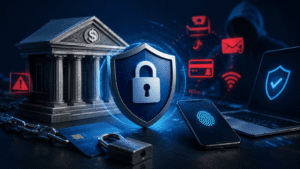 How to Protect Your Bank Account From Dark Web Hackers Part : 3
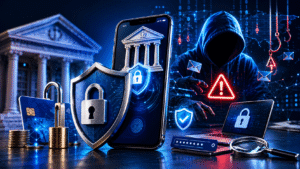 How to Protect Your Bank Account From Dark Web Hackers Part : 2
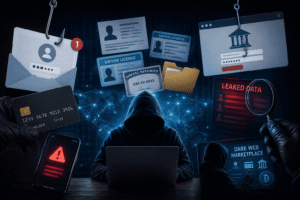 How to Protect Your Bank Account From Dark Web Hackers Part : 1
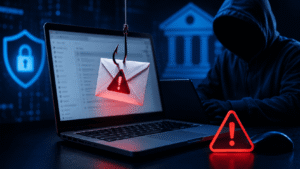 How to Spot Fake Security Emails From Banks
 how to protect your bank account from dark web hackers
 How Scammers Use Fake Bank Alerts to Steal Money