how to protect your bank account from dark web hackers
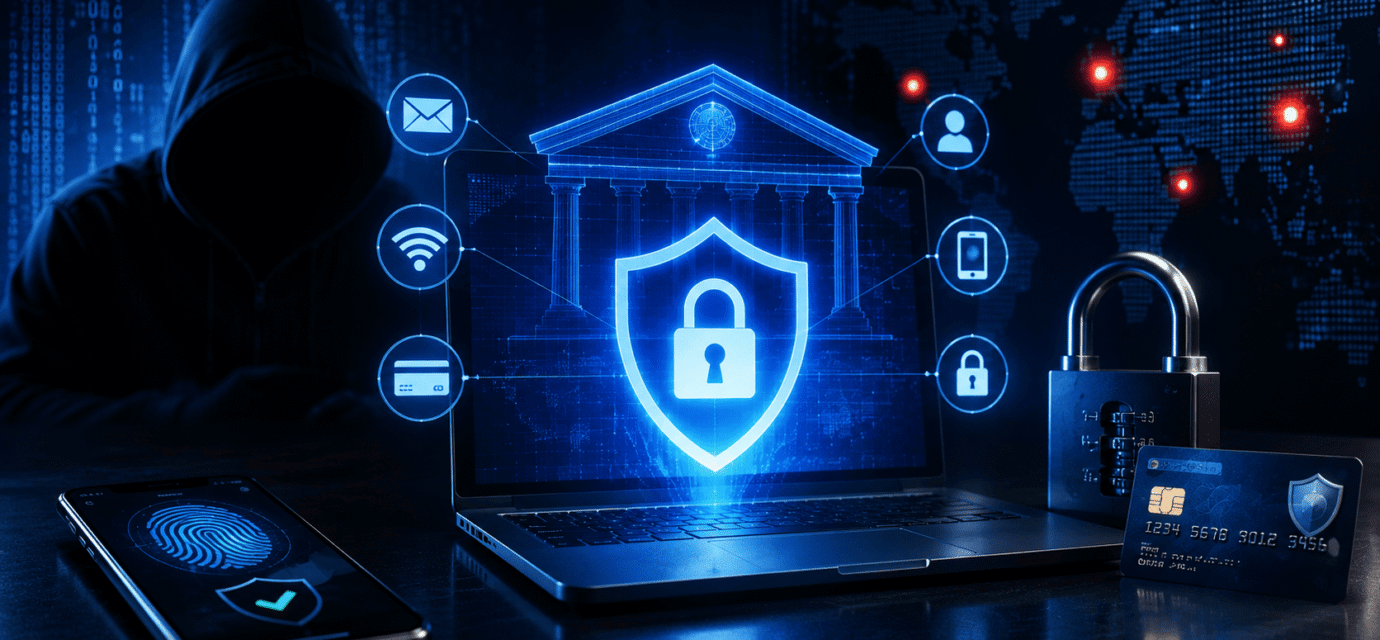
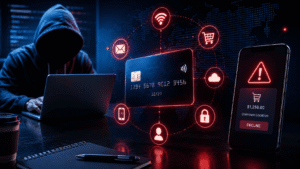
In today’s digital world, protecting your bank account has become more important than ever. Cybercriminals are constantly searching for new ways to steal personal information, banking credentials, and financial data. One of the biggest threats comes from the dark web, a hidden part of the internet where stolen information is often bought and sold. If your banking details end up there, hackers may attempt to access your account, steal your money, or commit identity fraud in your name.
Fortunately, there are several practical steps you can take to protect yourself and keep your finances secure.
What Is the Dark Web?
The dark web is a section of the internet that cannot be accessed through normal search engines like Google or Bing. While some people use it for privacy-related reasons, it has also become a marketplace for cybercriminals who trade stolen passwords, credit card numbers, banking credentials, and personal information.
Hackers often obtain this data through phishing attacks, malware infections, data breaches, or fake websites designed to trick users into revealing sensitive information.
Use Strong and Unique Passwords
One of the most effective ways to protect your bank account is by creating a strong and unique password.
Avoid using:
- Your name
- Birthdates
- Phone numbers
- Simple words like “password123”
- The same password across multiple websites
Instead, create passwords that include:
- Uppercase letters
- Lowercase letters
- Numbers
- Special characters
For example:
“J7!kP4#nQ9@wL2”
Using a password manager can help generate and securely store complex passwords for all your accounts.
Enable Two-Factor Authentication (2FA)
Two-factor authentication adds an extra layer of security to your bank account.
Even if a hacker obtains your password, they will still need a second verification method, such as:
- A one-time code sent to your phone
- An authentication app
- A security key
Most major banks now offer 2FA, and enabling it can significantly reduce the risk of unauthorized access.
Watch Out for Phishing Scams
Phishing attacks remain one of the most common ways hackers steal banking information.
You may receive:
- Fake emails
- Fraudulent text messages
- Fake bank alerts
- Scam phone calls
These messages often create urgency and encourage you to click a link or provide login information.
Always remember:
- Never click suspicious links.
- Never share banking passwords.
- Verify messages directly through your bank’s official website or customer service.
If something seems suspicious, assume it is a scam until proven otherwise.
Keep Your Devices Updated
Many cyberattacks exploit outdated software vulnerabilities.
Regularly update:
- Operating systems
- Web browsers
- Banking apps
- Antivirus software
Software updates often contain security patches that fix vulnerabilities before hackers can exploit them.
Enable automatic updates whenever possible to ensure you remain protected.
Install Reliable Security Software
A trusted antivirus and anti-malware solution can help detect threats before they compromise your device.
Security software can:
- Block malicious downloads
- Detect malware
- Prevent ransomware attacks
- Warn about dangerous websites
While no software provides complete protection, it significantly reduces your risk of becoming a victim.
Avoid Public Wi-Fi for Banking
Hackers can sometimes intercept data transmitted over unsecured networks.
Public Wi-Fi networks found in cafes, airports, hotels, and shopping centers are often less secure than private networks.
When accessing your bank account:
- Use your home network whenever possible.
- Use mobile data if necessary.
- Consider using a reputable VPN service for additional security.
Never conduct sensitive banking activities on unsecured public Wi-Fi.
Monitor Your Bank Accounts Regularly
Many people only discover fraud weeks or months after it occurs.
Make it a habit to:
- Review account transactions frequently
- Check monthly statements
- Monitor account balances
- Enable transaction alerts
Most banks offer instant notifications whenever money enters or leaves your account.
The sooner suspicious activity is detected, the easier it is to limit financial damage.
Be Careful With Mobile Banking Apps
Mobile banking is convenient, but it also creates new security risks.
To stay safe:
- Download apps only from official app stores
- Avoid installing unknown applications
- Enable biometric authentication when available
- Keep your phone locked with a PIN or fingerprint
If your phone is lost or stolen, immediately notify your bank and secure your accounts.
Protect Your Personal Information
Hackers often combine information from multiple sources to gain access to financial accounts.
Avoid publicly sharing:
- Full birthdates
- Addresses
- Phone numbers
- Banking details
- Personal identification numbers
Social media oversharing can provide cybercriminals with information that helps them bypass security questions or impersonate you.
Think carefully before posting personal details online.
Check for Data Breaches
Large companies occasionally suffer data breaches that expose customer information.
If your email address or password appears in a breach, hackers may attempt to use the stolen credentials on banking websites.
If you discover that your information has been exposed:
- Change passwords immediately
- Enable two-factor authentication
- Review banking activity
- Monitor your credit reports
Quick action can prevent a minor breach from becoming a major financial problem.
Use Secure Websites Only
Before entering banking information online, verify that the website is secure.
Look for:
- HTTPS in the address bar
- A padlock icon
- Correct spelling of the bank’s website
Cybercriminals often create fake websites that closely resemble legitimate banking portals.
Always type your bank’s address directly into your browser instead of clicking links from emails or messages.
What to Do If You Suspect Your Information Is on the Dark Web
If you believe your banking information has been compromised:
- Change your passwords immediately.
- Contact your bank.
- Enable two-factor authentication.
- Review recent transactions.
- Freeze or replace affected cards.
- Monitor your accounts closely.
- Report suspicious activity promptly.
The faster you respond, the better your chances of preventing financial losses.
Final Thoughts
Dark web hackers continuously search for vulnerable individuals, but protecting your bank account does not require advanced technical knowledge. Strong passwords, two-factor authentication, regular account monitoring, software updates, and awareness of phishing scams can dramatically reduce your risk.
Cybersecurity is not a one-time task—it is an ongoing habit. By staying vigilant and following basic security practices, you can significantly improve your financial safety and make it much harder for cybercriminals to access your bank account.
Recommended Articles
 How to Protect Your Bank Account From Dark Web Hackers Part : 3
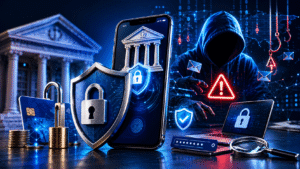 How to Protect Your Bank Account From Dark Web Hackers Part : 2
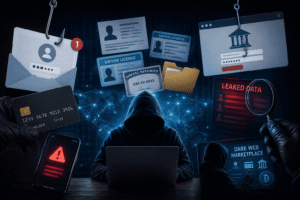 How to Protect Your Bank Account From Dark Web Hackers Part : 1
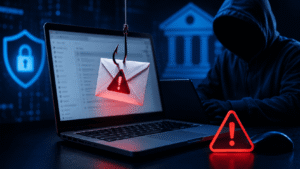 How to Spot Fake Security Emails From Banks
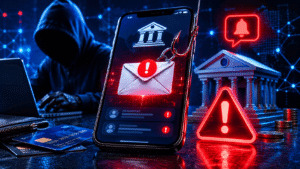 How Scammers Use Fake Bank Alerts to Steal Money
 How Credit Card Fraud Happens Without Your Card Being Stolen