How Credit Card Fraud Happens Without Your Card Being Stolen
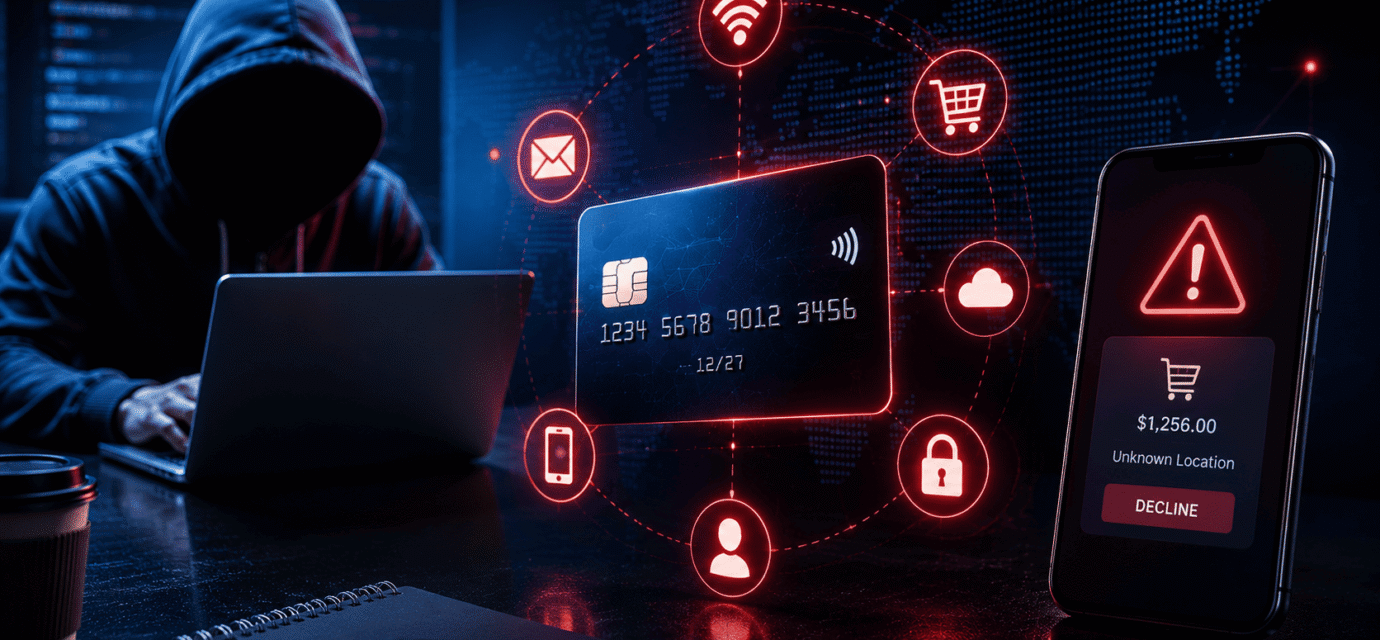
Many people believe that credit card fraud only occurs when a physical card is lost or stolen. However, modern cybercriminals often don’t need your actual card to commit fraud. In fact, some of the most common forms of credit card fraud happen while the card remains safely inside your wallet.
Today, hackers and scammers use sophisticated techniques to steal credit card information and make unauthorized purchases without ever touching the physical card. Understanding how these attacks work can help you recognize risks and better protect your financial information.
What Is Credit Card Fraud?
Credit card fraud occurs when someone uses your credit card information without your permission to make purchases, withdraw funds, or conduct other financial transactions.
Modern fraud often involves stolen card details rather than stolen cards themselves.
Information criminals target includes:
- Card number
- Expiration date
- Cardholder name
- Security code (CVV)
- Billing address
Once criminals obtain this information, they can often use it online without needing the physical card.
Method #1: Data Breaches
One of the most common sources of stolen credit card information is data breaches.
Businesses store customer payment information for processing transactions. When hackers successfully infiltrate a company’s systems, they may gain access to thousands or even millions of customer records.
A major breach can expose:
- Credit card numbers
- Billing information
- Customer names
- Contact details
Cybercriminals often sell this information on dark web marketplaces where other criminals purchase it for fraudulent activities.
Many victims have no idea their information was compromised until unauthorized charges appear.
Method #2: Online Shopping Website Hacks
Hackers frequently target e-commerce websites.
Some cybercriminals inject malicious code into checkout pages that secretly captures payment information entered by customers.
This technique is often called digital skimming.
Victims complete their purchases normally and receive their products, unaware that their card information has been stolen during checkout.
The stolen data is then transmitted directly to the attackers.
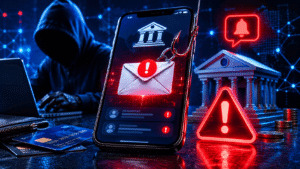
Method #3: Phishing Scams
Phishing remains one of the most effective tools used by cybercriminals.
Victims receive fake:
- Bank emails
- Delivery notifications
- Security alerts
- Payment verification requests
These messages often contain links to fraudulent websites that look identical to legitimate companies.
When victims enter their card information, the details are immediately captured by scammers.
The physical card never leaves the victim’s possession, yet the criminals obtain everything needed for online fraud.
Method #4: Malware Infections
Malware can secretly steal credit card information from computers and smartphones.
Infections often occur through:
- Fake software downloads
- Malicious attachments
- Infected websites
- Pirated software
Once installed, malware may:
- Record keystrokes
- Capture screenshots
- Monitor browser activity
- Steal stored payment information
Some banking trojans are specifically designed to target financial transactions.
Method #5: Card Information Saved Online
Many websites offer the option to save payment information for future purchases.
While convenient, saved payment methods can become a target if an account is compromised.
For example, if a criminal gains access to:
- Shopping accounts
- Online marketplaces
- Food delivery apps
- Travel websites
they may be able to make purchases using stored payment methods.
This is why strong passwords and two-factor authentication are important for all online accounts, not just banking accounts.
Method #6: Public Wi-Fi Interception
Although modern encryption has improved online security, public Wi-Fi networks can still present risks.
Cybercriminals may create fake Wi-Fi hotspots designed to look legitimate.
Unsuspecting users connect and conduct normal online activities.
Attackers may then attempt to:
- Intercept information
- Redirect users to fake websites
- Capture login credentials
Financial transactions performed on unsecured networks can increase exposure to fraud risks.
Method #7: Fake Payment Pages
Scammers often create fake online stores or payment pages.
These websites may advertise:
- Huge discounts
- Limited-time offers
- Popular products at unrealistic prices
When customers enter their credit card information during checkout, the details are stolen.
Some fake websites even process a small charge to appear legitimate before using the card information elsewhere.
Method #8: Account Takeovers
Criminals sometimes gain access to existing online accounts rather than stealing card details directly.
This may happen through:
- Weak passwords
- Credential stuffing attacks
- Password leaks
- Phishing scams
Once inside an account, attackers may use stored payment methods or add new fraudulent purchases.
Many victims initially believe their credit card was stolen when the real problem was account compromise.
Warning Signs of Credit Card Fraud
Credit card fraud often begins with small activities before larger transactions occur.
Watch for:
- Unrecognized purchases
- Small test transactions
- Purchases from unfamiliar merchants
- Foreign transactions
- Account alerts you did not trigger
Even a charge of only a few dollars can indicate that criminals are testing whether a card remains active.
How Criminals Use Stolen Card Information
Once credit card information is obtained, criminals may:
- Make online purchases
- Buy gift cards
- Purchase digital products
- Transfer information to other criminals
- Sell data on dark web marketplaces
Some criminals specialize in collecting card data, while others specialize in using or reselling it.
How to Protect Yourself
Fortunately, several simple habits can significantly reduce your risk.
Monitor Transactions Frequently
Review account activity regularly and investigate unfamiliar charges immediately.
Enable Transaction Alerts
Most banks provide instant notifications whenever purchases occur.
Use Strong Passwords
Protect shopping, banking, and email accounts with unique passwords.
Enable Two-Factor Authentication
Two-factor authentication helps prevent unauthorized access even if passwords are stolen.
Avoid Suspicious Links
Never enter payment information through links received in unexpected messages.
Shop on Trusted Websites
Verify that websites use HTTPS encryption and belong to legitimate businesses.
Keep Devices Updated
Security updates help close vulnerabilities that hackers may exploit.
What to Do If You Discover Fraud
If you notice unauthorized transactions:
- Contact your bank or card issuer immediately.
- Freeze or lock the card.
- Dispute fraudulent charges.
- Change account passwords.
- Monitor account activity closely.
- Review other online accounts for suspicious activity.
Most banks offer fraud protection programs that can help recover losses when fraud is reported quickly.
Final Thoughts
Credit card fraud no longer requires criminals to physically steal your card. Through data breaches, phishing scams, malware, fake websites, and account takeovers, cybercriminals can obtain everything they need while your card remains safely in your pocket.
Understanding how these attacks work is one of the best defenses against becoming a victim. By monitoring your accounts, using strong security practices, and staying alert to suspicious activity, you can significantly reduce your risk and better protect your financial information.
Recommended Articles
 How to Protect Your Bank Account From Dark Web Hackers Part : 3
 How to Protect Your Bank Account From Dark Web Hackers Part : 2
 How to Protect Your Bank Account From Dark Web Hackers Part : 1
 How to Spot Fake Security Emails From Banks
 how to protect your bank account from dark web hackers
 How Scammers Use Fake Bank Alerts to Steal Money